
When it comes to electricity plans in Australia, most households come across two common tariff options: General Usage Tariff and Controlled Load Tariff. While both impact how much you pay on your bill, they work differently and are best suited for different types of energy usage. Understanding these can save you money and help you choose the right plan through comparison platforms like Comparable.com.au.
What is a General Usage Tariff?
A General Usage Tariff (sometimes called a "single rate tariff") charges you the same rate for electricity throughout the day, regardless of when you use it.
How it works: Every unit of power (measured in kilowatt-hours, kWh) you consume is charged at one flat rate.
Best for: Households where electricity usage is spread evenly during the day and night—for example, families who are home in the evenings and mornings but use appliances consistently.
Pros:
Simple and predictable billing.
No need to shift usage to specific hours.
Cons:
You don’t benefit from cheaper rates at off-peak times.
Example: If you use your washing machine at 2 PM or 10 PM, the cost per kWh remains the same.
What is Electricity Controlled Load?
The term “electricity controlled load” refers to a separate electricity tariff applied only to specific appliances in your home, usually those that consume large amounts of energy but don’t need to run all day.
Typical Appliances on Controlled Load:
Electric hot water systems
Underfloor heating systems
Pool pumps
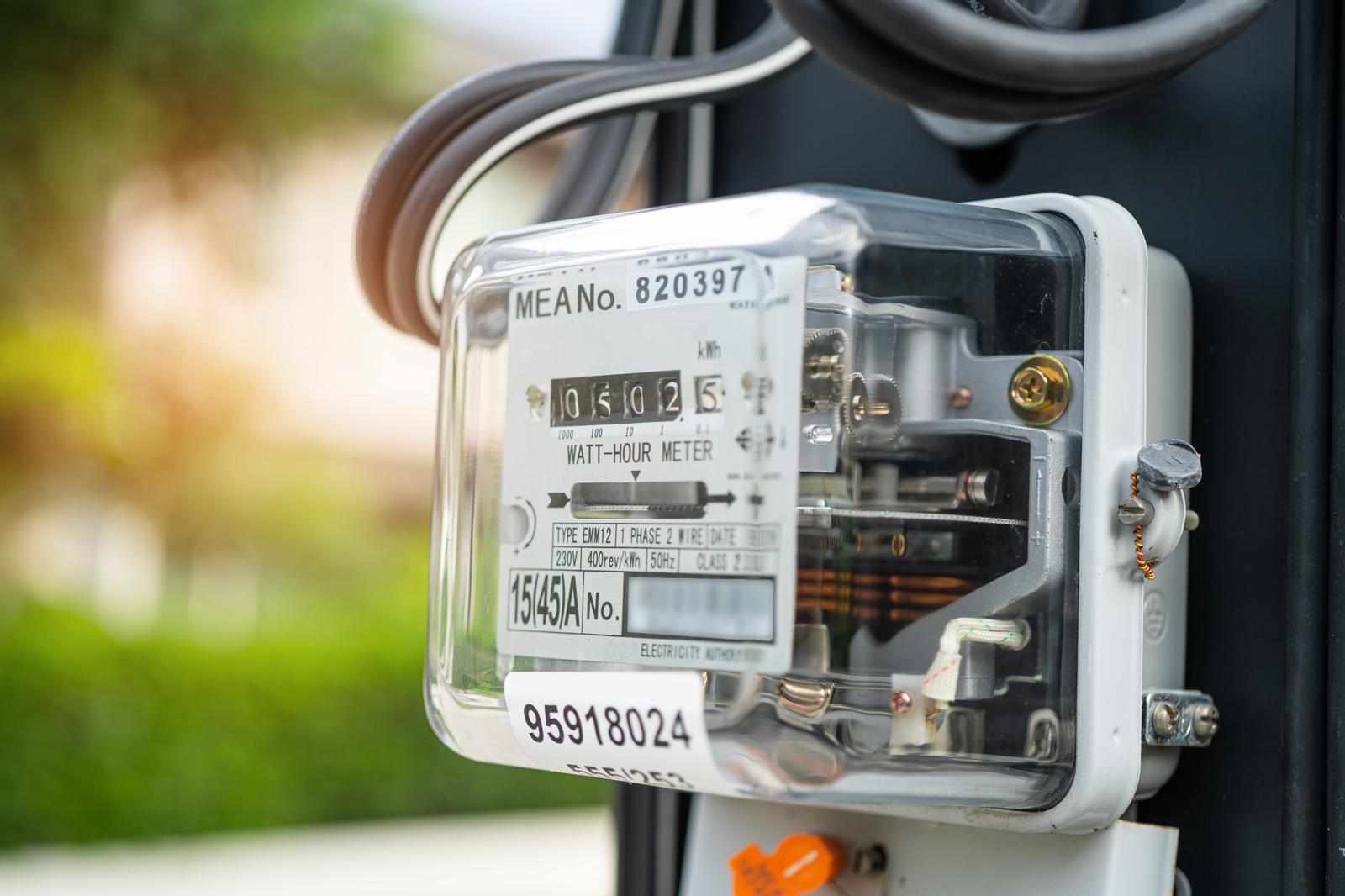
These appliances are metered separately, which means their usage is not included in your main general usage tariff. Instead, they get their own discounted rate, often during off-peak hours when demand on the grid is lower.
What is Controlled Load Usage?
Controlled load usage refers to the electricity consumed by the appliances connected to the controlled load meter. Unlike general usage, this is billed at a lower rate per kWh but is restricted to certain hours of the day (often overnight or during off-peak times, depending on your distributor).
Controlled Load 1: Available for fewer hours (usually overnight) with the cheapest rates.
Controlled Load 2: Available for longer periods across the day, slightly more expensive than Controlled Load 1 but still cheaper than general usage.
Example: If your hot water system is on Controlled Load 1, it may heat up only between 11 PM and 7 AM when demand is low. You won’t notice it, but you’ll pay much less than if it ran on your general tariff.
Pros and Cons of Controlled Load Tariffs
✅ Advantages
Lower rates for heavy-use appliances.
Helps reduce overall electricity bills.
Takes advantage of off-peak grid demand.
⚠️ Disadvantages
Limited to specific times of the day.
Requires a compatible meter and installation setup.
Only worthwhile if you have eligible appliances.
Which Tariff Should You Choose?
If most of your electricity use comes from general household needs (lights, cooking, entertainment, heating/cooling), a general usage tariff will keep things straightforward.
If you have energy-hungry appliances like an electric hot water system, shifting them onto a controlled load tariff can lead to noticeable savings.
Many households use both tariffs—general usage for everyday appliances and controlled load for specific ones.
How to Compare Electricity Tariffs in Australia
Energy bills can be confusing, but comparison platforms like Comparable.com.au make it easier. You can:
Compare plans across multiple retailers.
Check if a controlled load option is available in your area.
Estimate how much you could save by moving appliances to controlled load.
Final Thoughts
Understanding the difference between a general usage tariff and a controlled load tariff isn’t just technical—it directly impacts your electricity bill. If you’re wondering what is electricity controlled load and whether it applies to your home, consider the appliances you use most. Then, check your eligibility and compare plans through tools like Comparable.com.au to find the best fit for your household.
By making an informed choice, you can balance convenience with cost savings and ensure your energy plan truly works for you.






Write a comment ...